
IAW

iaw-white-logo iosandweb technologies
Categories
Blog

Graphic Design Trends 2024

The world of graphic design is constantly evolving, reflecting the ever-changing cultural landscape and technological advancements. As we venture into 2024, exciting new trends are emerging, poised to shape the way we communicate visually. Buckle up, designers and design enthusiasts, as we explore the hottest graphic design trends that will dominate the year ahead!

1. AI Assistance: The Rise of the Creative Partner

Artificial intelligence (AI) is no longer science fiction; it’s a powerful tool rapidly transforming design workflows. In 2024, expect to see a rise in AI-powered design assistants that can generate ideas, automate repetitive tasks, and even suggest color palettes and layouts. These tools won’t replace human designers, but rather augment their creativity, allowing them to focus on higher-level strategic thinking and execution.

2. Composition-Heavy Designs: A Feast for the Eyes

Minimalism may have ruled the design roost for a while, but 2024 is ushering in a new era of maximalism. Get ready for composition-heavy designs that burst with color, intricate details, and layered elements. Think vibrant backgrounds, overlapping text, and a playful disregard for negative space. These designs aim to be visually engaging, capturing attention and telling a story without overwhelming the viewer.

3. The Reeded Glass Effect: A Touch of Sophistication

Remember the elegant reeded glass often used in furniture and partitions? This classic texture is making a comeback in the design world, adding a touch of sophistication and dimension to web interfaces, logos, and branding materials. The reeded glass effect can be used subtly as a background texture or take center stage as a bold design element. Its versatility makes it a trend worth watching.

4. Barbiecore Pink: A Bold Statement

Move over, millennial pink. 2024 is all about Barbiecore pink, a vibrant, unapologetically playful shade. This bold hue injects energy and fun into design projects, particularly those targeting younger demographics or promoting a playful brand personality. Barbiecore pink can be used as a dominant color, a striking accent, or even a nostalgic element when combined with vintage-inspired design elements.

5. A Celebration of Vibrant Colors: Unleashing the Rainbow

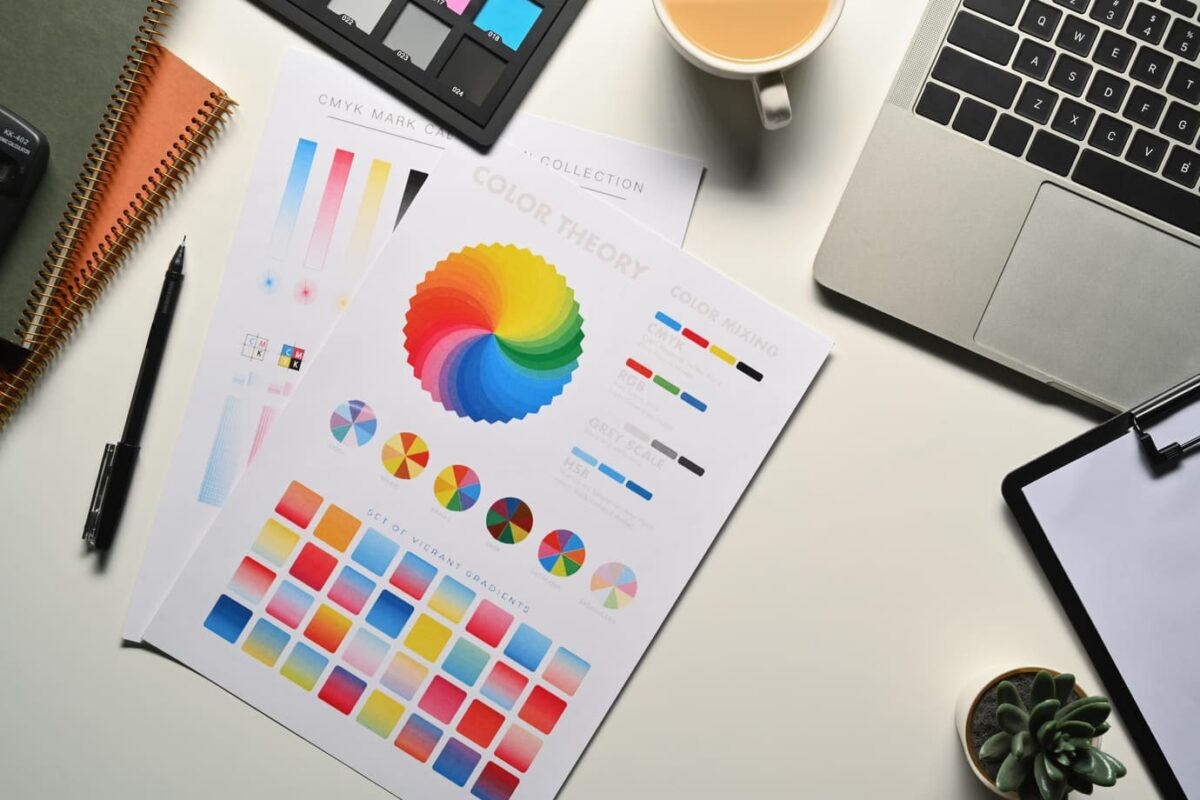
Building on the maximalist trend, 2024 is all about embracing vibrant color palettes. From bold neons to rich jewel tones, designers are pushing boundaries and creating visually stimulating experiences. These color palettes convey a sense of optimism and energy, perfect for grabbing attention and making a lasting impression.

6. The Pixelated Past: A Dose of Retro Charm

Remember the nostalgic charm of pixel art from the 80s and 90s? This retro aesthetic is making a delightful comeback in 2024. Pixelated graphics and design elements add a touch of whimsy and playfulness to web design, branding materials, and even social media graphics. They can be used as a standalone style or combined with modern elements for a unique juxtaposition.

7. Nature’s Embrace: A Return to Organic Forms

As people seek a connection with nature in our increasingly digital world, organic forms are making a significant comeback in graphic design. Think botanical illustrations, natural textures like wood grain and marble, and flowing, fluid shapes reminiscent of landscapes and water elements. This trend fosters a sense of calm and serenity, perfect for brands that promote wellness, sustainability, or organic products.

8. Abstract Gradients: A Hypnotic Blend

Gradients have always been a versatile tool in a designer’s arsenal, and 2024 sees them take on a more abstract form. Think unexpected color combinations, blurred transitions, and unconventional gradients that create a mesmerizing and otherworldly feel. These gradients can be used as backgrounds, subtle accents, or even the main focus of a design.

9. Grids & Visible Borders: A Return to Structure

While maximalism reigns supreme, there’s still a place for structure in design. 2024 will see a resurgence of grids and visible borders, providing a framework for the bold design elements to come alive. These grids and borders add a sense of organization and clarity, ensuring that even the most visually complex designs remain visually appealing and user-friendly.

10. Inclusivity Takes Center Stage: Design for Everyone

In 2024, inclusivity is no longer a trend; it’s a core design principle. Designers are increasingly focusing on creating visual experiences that cater to diverse audiences. This includes using high-contrast color palettes for better accessibility, employing diverse models and illustrations, and ensuring clear information hierarchy. Inclusive design not only creates a more welcoming and equitable experience, but it can also broaden a brand’s reach and connect with a wider audience.

Conclusion

The graphic design landscape is bursting with innovation, promising a future of thrilling possibilities. From the collaborative power of AI to the captivating embrace of vibrant colors and organic forms, 2024 promises to be a year of bold experimentation and visual storytelling. As designers, it’s our responsibility to stay informed, embrace these trends with a critical eye, and leverage them to create impactful and meaningful visual experiences. 

Strong visuals are key to capturing attention and driving conversions. We at IAW Technologies understand that better than anyone. That’s why we offer expert graphic and web design services. We create custom-tailored designs with stunning aesthetics that perfectly reflect your brand or your client’s vision.
Categories
Blog

The Ultimate Guide to On-Page SEO – 2024

In the contemporary digital realm, establishing a robust online presence is essential for businesses irrespective of their scale. And one of the most effective ways to improve your online visibility is through search engine optimization (SEO).

While there are many aspects to SEO, one of the most important is on-page SEO. In this comprehensive guide, we’ll cover everything you need to know about on-page SEO, including an on-page SEO checklist to help you optimize your website for search engines.

What is On-Page SEO?

On-page SEO entails optimizing specific web pages to enhance their search engine rankings and attract organic traffic to your site. It involves optimizing both the content and HTML source code of a page, as well as improving the user experience.

On-page SEO is important because it helps search engines understand the content and relevance of your website, making it more likely to appear in search results for relevant queries. It also helps improve the user experience, making it easier for visitors to navigate and engage with your website.

On-Page SEO vs. Off-Page SEO

On-page SEO should not be confused with off-page SEO, which refers to external factors that impact your website’s search engine rankings, such as backlinks and social media presence. While both are important for a comprehensive SEO strategy, on-page SEO focuses on optimizing your website itself, while off-page SEO focuses on external factors.

On-Page SEO Checklist

To help you optimize your website for search engines, we’ve put together a comprehensive on-page SEO checklist. Follow these steps to ensure your website is fully optimized for search engines.

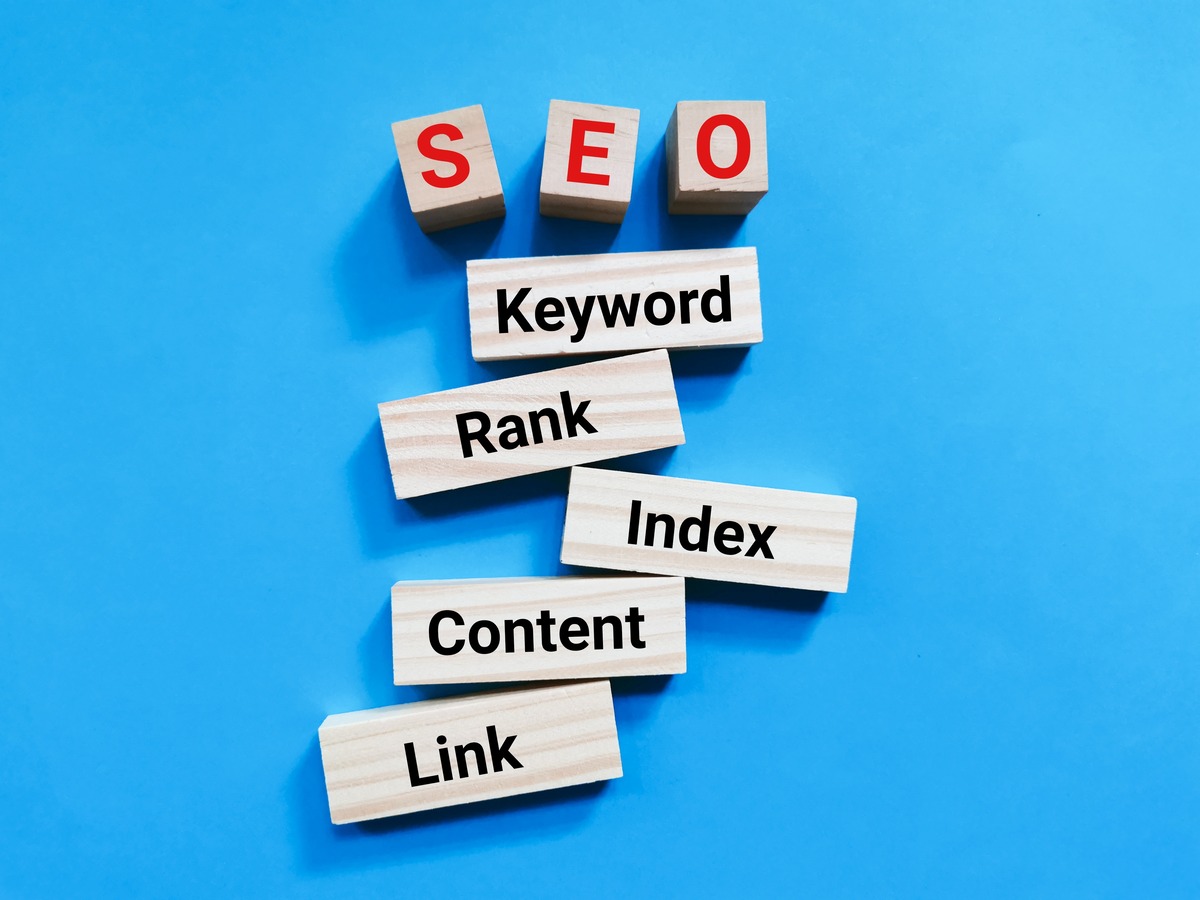
Keyword research: The initial phase of any SEO strategy, encompassing the identification of the specific keywords and phrases utilized by your target audience when seeking out your products or services.

  1. Title Tags: An important on-page SEO element as they tell search engines what your page is about. Make sure to include your primary keyword in the title tag and keep it under 60 characters to ensure it is fully displayed in search results.
  2. Meta Descriptions: These are the short snippets of text that appear below the title tag in search results. While they do not directly impact search rankings, they can influence click-through rates. Make sure to include your primary keyword and a compelling call-to-action in your meta description.
  3.  Header Tags: Header tags (H1, H2, H3, etc.) are used to structure your content and make it easier for both users and search engines to understand. Use your primary keyword in at least one header tag and make sure to use them in a hierarchical order (H1 followed by H2, etc.).
  4. Image Optimization: Images are an important part of any website, but they can also impact your SEO. Make sure to optimize your images by using descriptive file names and alt tags that include your primary keyword. This practice aids search engines in comprehending the content depicted in your images, consequently enhancing your ranking position.
  5. URL Structure: Your website’s URL structure is another important on-page SEO element. Make sure to use descriptive, keyword-rich URLs that accurately reflect the content of your page. Avoid using long, complicated URLs with numbers and symbols.
  6.  Internal Linking: The practice of linking to other pages on your website within your content. This not only helps users navigate your website, but it also helps search engines understand the structure and hierarchy of your website. Make sure to use descriptive anchor text and link to relevant pages.
  7. Mobile-Friendly Design: Given that the majority of web traffic originates from mobile devices, ensuring your website is optimized for mobile viewing is essential for effective SEO. Make sure your website is responsive and optimized for mobile devices to improve user experience and search rankings.
  8. Page Speed: Page speed is an important factor in both user experience and search rankings. Ensure that your website’s speed is optimized by compressing images, minimizing code, and utilizing a content delivery network (CDN).
  9. Quality Content: Last but certainly not least, quality content is crucial for on-page SEO. Make sure your content is well-written, informative, and relevant to your target audience. Incorporate your main keyword naturally within your content, but steer clear of overloading or stuffing it excessively.

On-Page SEO Best Practices

In addition to the on-page SEO checklist, there are some best practices you should follow to ensure your website is fully optimized for search engines.

  1. Keep Your Content Fresh: Search engines love fresh, relevant content. Make sure to regularly update your website with new content to keep it relevant and improve your search rankings.
  2. Use Schema Markup: Schema markup is a type of structured data that helps search engines understand the content of your website. Utilizing schema markup enhances the likelihood of your content being featured in rich snippets and various other search result features.
  3. Optimize for Local SEO: If your business has a physical location, make sure to optimize your website for local SEO. This includes using local keywords, creating a Google My Business listing, and getting listed in online directories.
  4. Monitor Your Analytics: Regularly monitoring your website’s analytics is crucial for understanding how your website is performing and identifying areas for improvement. Use tools like Google Analytics to track your website’s traffic, user behavior, and more.

Conclusion

In conclusion, mastering on-page SEO is crucial for anyone looking to enhance their online presence and climb the ranks of search engine results. By following the comprehensive strategies outlined in this guide, you can optimize your website effectively, attract more organic traffic. By staying informed about industry trends, consistently refining your on-page tactics, and partnering with the right digital experts like IAW Technologies, you can position your website for long-term success in the ever-evolving digital landscape.